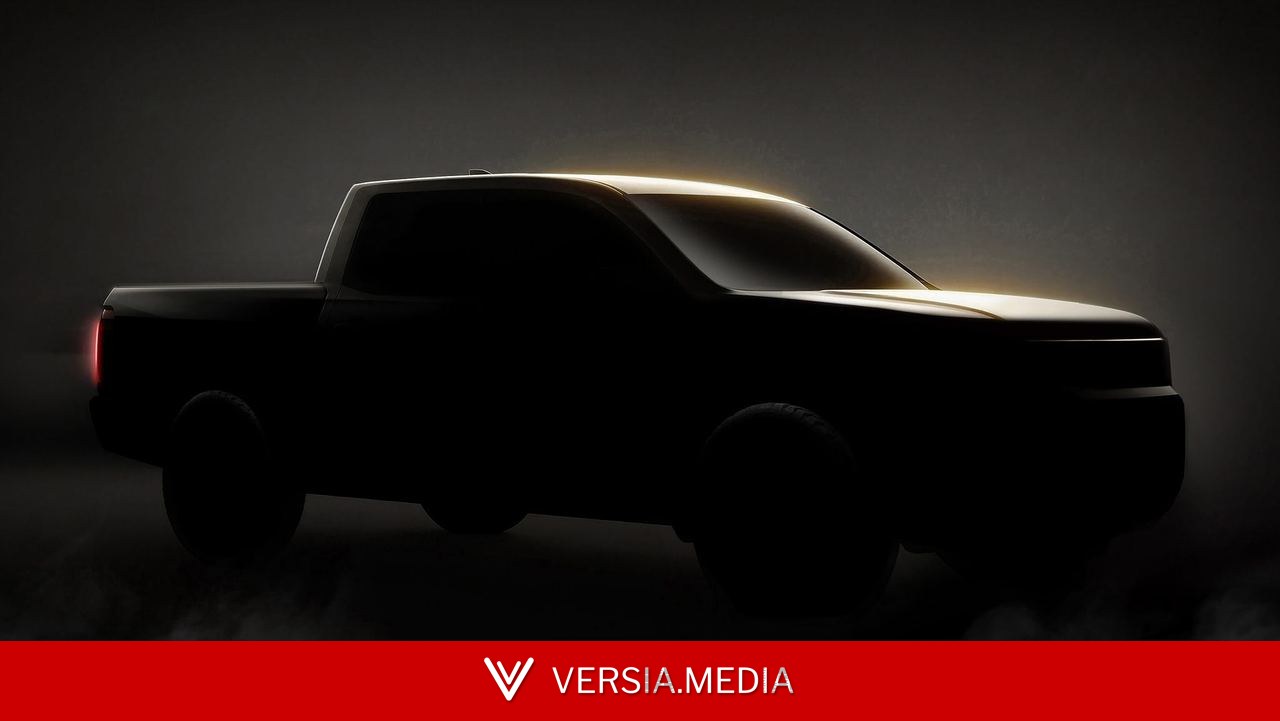
The next American-designed and built Ridgeline is expected within two years.
Hondaphile truck buyers act fast: Your beloved Honda Ridgeline will be taking a gap year starting later in 2026, as Honda will be ending production of the second-generation model while the all-new, all-American version of the third-generation truck finishes its gestation. We first reported on the pause a few months ago. Now we’re learning a bit more about its replacement.
0:00 / 0:00
As has been the case with the Truck of the Year winning first-generation (2006–2014) and second-gen (2017–present) trucks, the design will hail from the same Honda Southern California styling studio in Torrance, while engineering development takes place at the Honda Auto Development Center in Raymond, Ohio. And when they’re good and done developing it, it’ll return to the same production line it’s now rolling off of, the Honda Alabama Auto Plant in Lincoln, Alabama, where Pilots, Passports, and Odysseys are also built.
The 2nd Generation Honda Ridgeline TrailSport
Honda has shared the teaser image above, which indicates no adventurous forays into form factors that deviate from the three-box truck paradigm. We’re assured the new Ridgeline’s countenance will be “even more rugged.” Honda VP of auto sales Lance Woelfer, recounting the Ridgeline’s legacy of introducing innovative technologies (like the drop-or-swing door gate) added that “The next Ridgeline will advance this legacy while gaining even more rugged design and capabilities.”
2nd Generation Ridgeline cutaway illustration
None of this is official, but Woelfer’s comments could certainly point to a typical Honda second generation of TrailSport enhancements expanding on what was originally offered for the existing Ridgeline, just as we’ve seen with successive Passport and Pilot TrailSport models. Look for more aggressive tires that perhaps go up a size to 32s and offer improved rock and mud traction with better puncture resistance. A more aggressive suspension lift than today’s 1 inch is also likely, courtesy of longer springs with revised dampers and maybe even hydraulic rebound stops. Improved underbody armor seems likely as well, and it wouldn’t take much revision of today’s bumpers to further improve approach and departure angles above what the suspension lift provides.
Upgrading to Honda’s very latest electronic architecture is also likely to bring improvements to the TrailWatch camera system (higher resolution cameras, tire placement views, etc.), and more extensive off-road modes. These could be enabled by upgrades to the i-VTM4 rear axle, like faster clutch engagement, higher sustained torque, and improved thermal capacity. We’d even like to see better one-pedal off-road control and perhaps some trailer assist automation (hitching, backing, etc.).
As for what will power it, Honda is in the process of developing a hybrid powertrain that can be used for its larger vehicles like the Ridgeline, and it would be a good bet that it could power the new truck, in addition to the updated version of Honda’s tried-and-true 3.5-liter V-6.