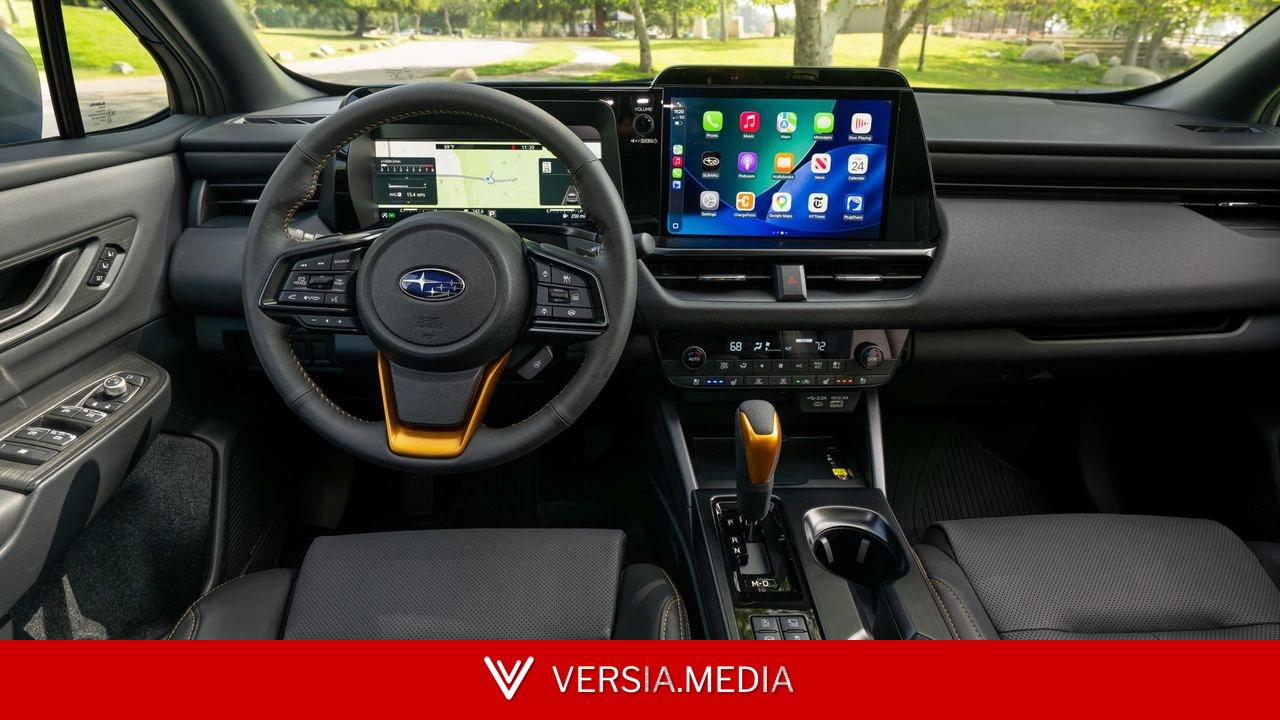
After months behind the wheel, we’ve come to appreciate our long-term Outback’s straightforward controls, comfortable cabin, and adventure-ready practicality.
We’ve been living with our long-term 2026 Subaru Outback Wilderness for about five months now, and nearly everyone who’s spent time behind the wheel has come away with the same impression: It’s incredibly comfortable. The cabin feels spacious and inviting, while the generous cargo area makes it easy to load up gear, groceries, or luggage. Whether it’s running errands around town or heading out on a road trip with friends and family, the Outback Wilderness has consistently proven to be a practical and accommodating companion.
0:00 / 0:00
That versatility became apparent almost immediately after we got the keys. A road trip to the Bay Area to visit friends proved comfortable for all five occupants, with plenty of room for both passengers and their belongings. More recently, features editor Christian Seabaugh loaded up the Outback Wilderness with his family and a substantial amount of cargo for a trip to a wedding in Temecula, California, about two hours southeast of Los Angeles. In both cases, the Subaru handled the travel with ease, reinforcing its reputation as a practical road-trip vehicle.
In our time with it, the Outback Wilderness has proven itself to be a comfortable, spacious, and capable SUV. But how well does the rest of the interior hold up after months of daily use? Are the materials worthy of a vehicle that’s $50,000? Has Subaru’s latest cabin design improved the experience? And does the technology feel modern enough to compete in today’s market? We’ll answer those questions and more in this deep dive into the Outback Wilderness’ interior.
Praise the Hard Buttons
Many new vehicles entering the market have embraced Tesla’s philosophy of replacing physical controls with touchscreen-based menus. The latest Mazda CX-5 and Audi Q3 have moved further in that direction, and even the Subaru Uncharted, which is essentially a rebadged Toyota C-HR, has reduced the number of dedicated buttons for key functions.
It’s a trend that continues to divide buyers. While touchscreen controls can create a cleaner, more modern-looking interior , they often make simple tasks harder and more distracting than they need to be, forcing drivers to take their eyes off the road to adjust basic settings.
When we attended the launch of the 2026 Subaru Outback, company representatives repeatedly emphasized that they had listened to customer feedback. One of the biggest requests? Bring back physical buttons.
That feedback is evident the moment you step into our long-term Outback Wilderness. Instead of burying everything inside the touchscreen, Subaru has retained a dedicated row of physical controls for the climate system, along with buttons for the heated and ventilated seats. After living with the vehicle for several months, it’s a decision we’ve come to appreciate more and more.
The benefits are immediate. On a hot day, you can crank up the air conditioning the moment you start the vehicle without waiting for the infotainment system to fully boot up. Adjusting the temperature is equally straightforward—just reach down and turn a knob. It’s faster, more intuitive, and ultimately safer than digging through menus while driving.
Subaru also struck a nice balance with the rest of the physical controls throughout the cabin. Just behind the shifter are dedicated buttons for the auto start-stop system, auto hold, traction control, and the 360-degree camera system. To the left of the steering column, additional controls allow you to adjust screen brightness and operate the power liftgate.
While these aren’t features most owners will use every day, having dedicated buttons for them makes a noticeable difference in day-to-day usability. Rather than hunting through menus, the functions are available with a single press.